Tear gas and bear spray residue cleanup in northwest Denver The burning stops when the residue is gone.
Tear gas settles as a fine powder. Bear spray leaves a film of pepper oil. Both keep stinging eyes and throats for weeks, and an open window won't lift either one. This guide walks through removal, room by room, for homes and cars in northwest Denver.
If anyone has trouble breathing, chest pain or severe eye pain, get medical help before you think about cleanup.
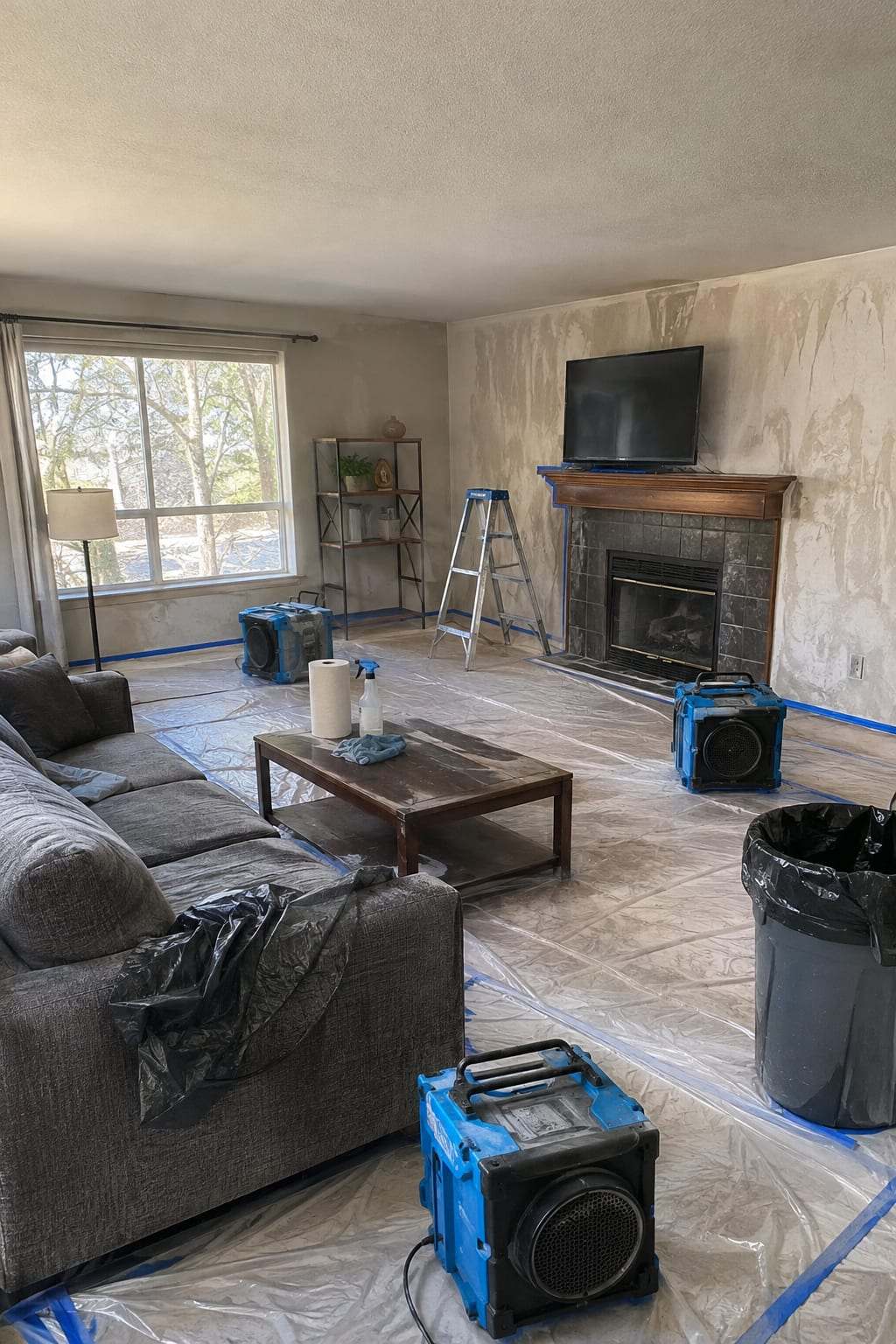
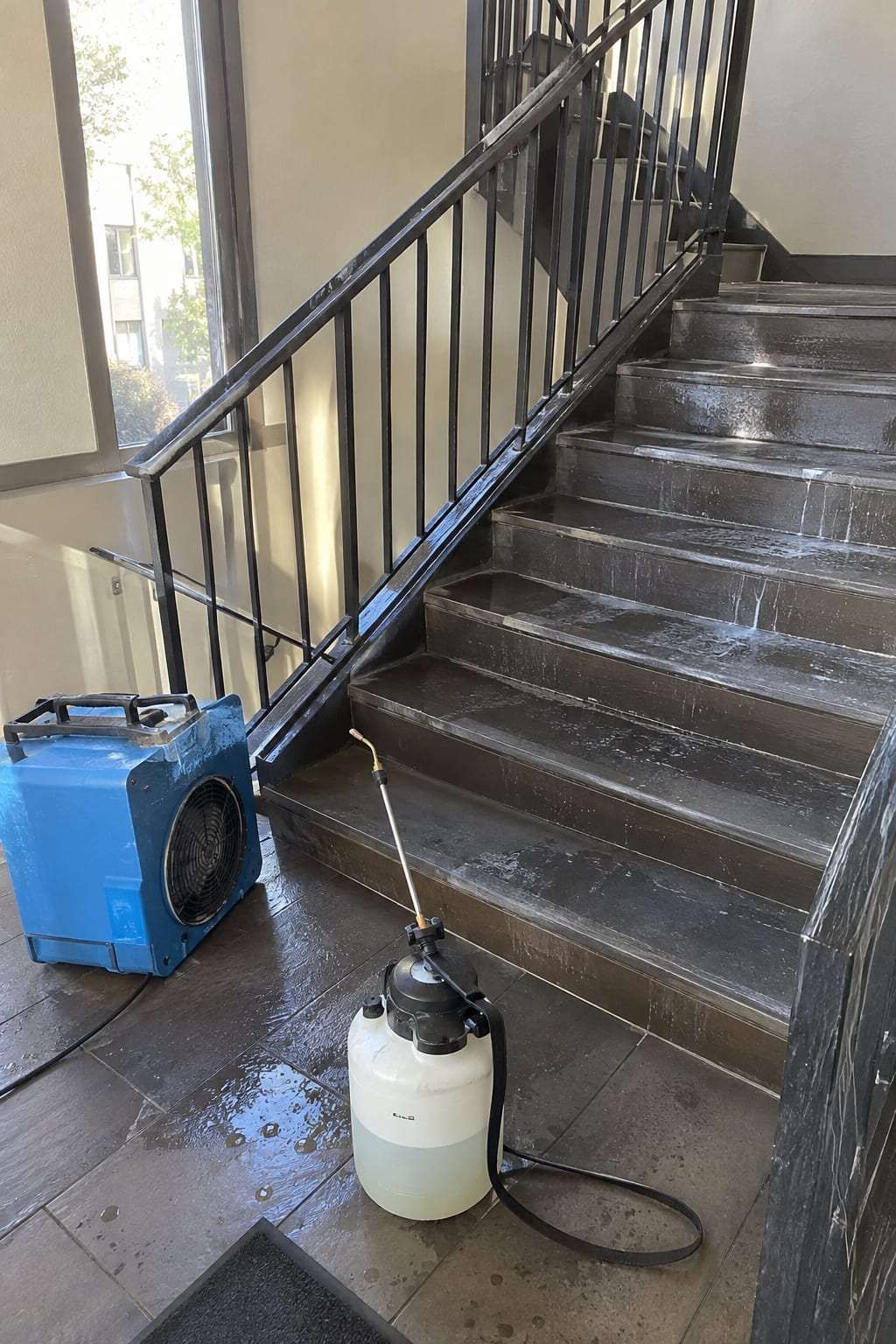
Treat it as contamination first. The smell comes last.
Police tear gas is usually CS, a powder released as a cloud. It lands on floors, sills, bedding and sofas, and the return vents pull it into the ductwork. Bear spray and pepper spray carry oleoresin capsicum (OC), an oily pepper extract that sticks to whatever it hits and soaks into foam and fabric.
Both stay active indoors. Sit on the couch, shake out a blanket or start the furnace, and the residue goes back into the air. Removal follows a fixed order: ventilate, take residue off hard surfaces, sort soft goods into keep or discard, clean the air system, and treat whatever odor remains at the end.
Tear gas
CS, a fine crystalline powder
- Where it lands
- Floors, sills, bedding, upholstery and the inside of return ducts
- What disturbs it
- Sweeping, dusting, a regular vacuum, the furnace fan
- First tool
- A HEPA vacuum, never a broom
Bear spray and pepper spray
OC, capsaicin in an oily carrier
- Where it lands
- Hard surfaces near the can, fabric, foam and car vents
- What spreads it
- Water alone, dry wiping, heat on a sunny day
- First tool
- Absorbent blotting, then a degreasing detergent
Many police incidents leave both, plus smoke residue from the munitions. A good assessment names what's present in each room before anyone picks a cleaning method.
The first hour after exposure
Open the windows and set box fans blowing out. Keep kids, pets and anyone with asthma out of the space.
Switch the furnace and AC off at the thermostat. Leave them off until the filter is changed and the ducts are checked.
Skip the household vacuum, the broom and the leaf blower. Each one throws CS powder back into the air.
Photograph every room, and anything you plan to throw away, before cleaning starts. Insurers and agencies ask for it.
A tear-gassed house stays tear-gassed until someone vacuums, wipes and washes the residue out of it.
Ask any provider whether the plan leans on ozone or fragrance. Neither removes CS powder or capsaicin oil. They change the smell and leave the irritant where it was.
Six places residue stays after a room looks clean
- Ceilings, beams and trim
The cloud rises before it settles. Powder sits on beams, crown molding and the tops of door frames where nobody looks.
- Returns and ductwork
A furnace that ran during or after exposure pulled residue into the returns and pushed it out of every register.
- Bedding and mattresses
Sheets wash. A mattress that took a direct dose holds the irritant in its foam.
- Sills and dark surfaces
A pale film on window sills, counters and dark furniture is the easiest residue to spot.
- Sofas and cushions
Bear spray oil soaks past the fabric into the cushion core. Sitting down squeezes it back out.
- Garage, gear and car
Cans stored on garage shelves and in door pockets are where most bear spray accidents start.
The removal sequence, room by room
Order matters here. Each step keeps residue from drifting back into rooms that are already clean.
-
Map the exposure
Pin down where the gas or spray reached, including closets, the attic, the air system and any car parked close by.
-
Sort soft goods
Separate what can be laundered or treated from porous items, like soaked cushions, that cost more to save than to replace.
-
Clean top to bottom
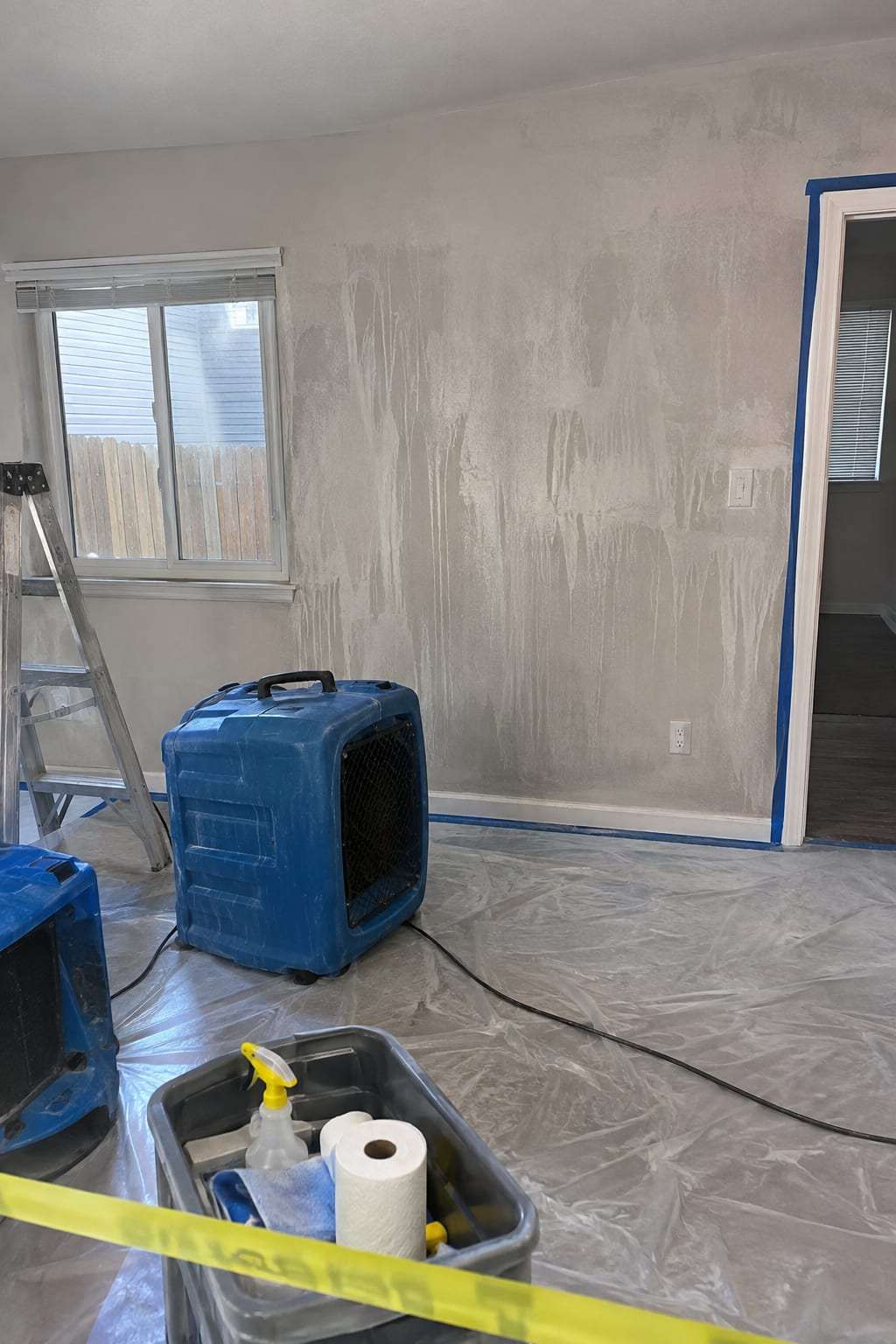
HEPA vacuum the powder, then wash residue off ceilings, walls, fixtures and floors, working down so nothing lands on a finished surface.
-
Clear the air system
Replace the filter and inspect the return, blower and coil. The ducts get cleaned if residue reached them.
-
Treat what's left
Handle any remaining odor last, then walk each room before anyone moves back in.
If the furnace or AC ran during or after exposure, residue went into the returns and back out of every register. Until someone deals with the system, it can recontaminate rooms that were just cleaned. Leave it off, and expect a sound plan to cover the filter, returns, supply registers and air handler.
Bear spray in a car fills the cabin in seconds
Colorado drivers carry bear spray to the trailhead, and a can that vents in a hot car or gets punctured in the cargo area coats the seats, headliner, carpet and vents. Turn on the blower and it goes around again.
Don't drive with the fan running. Open every door, pull out loose items, and get advice before you scrub fabric seats, which can push the oil deeper into the foam.
- Worst hit
- Surfaces nearest the can, headliner, seat fabric, dash vents
- Hidden reservoir
- The cabin air filter and the ducts behind the dash
- Heat effect
- Residue smells stronger every time the car sits in the sun
- Usual outcome
- Most vehicles clean up. Heavily soaked fabric may need replacing.
- Insurance
- Ask whether comprehensive coverage applies to an accidental discharge
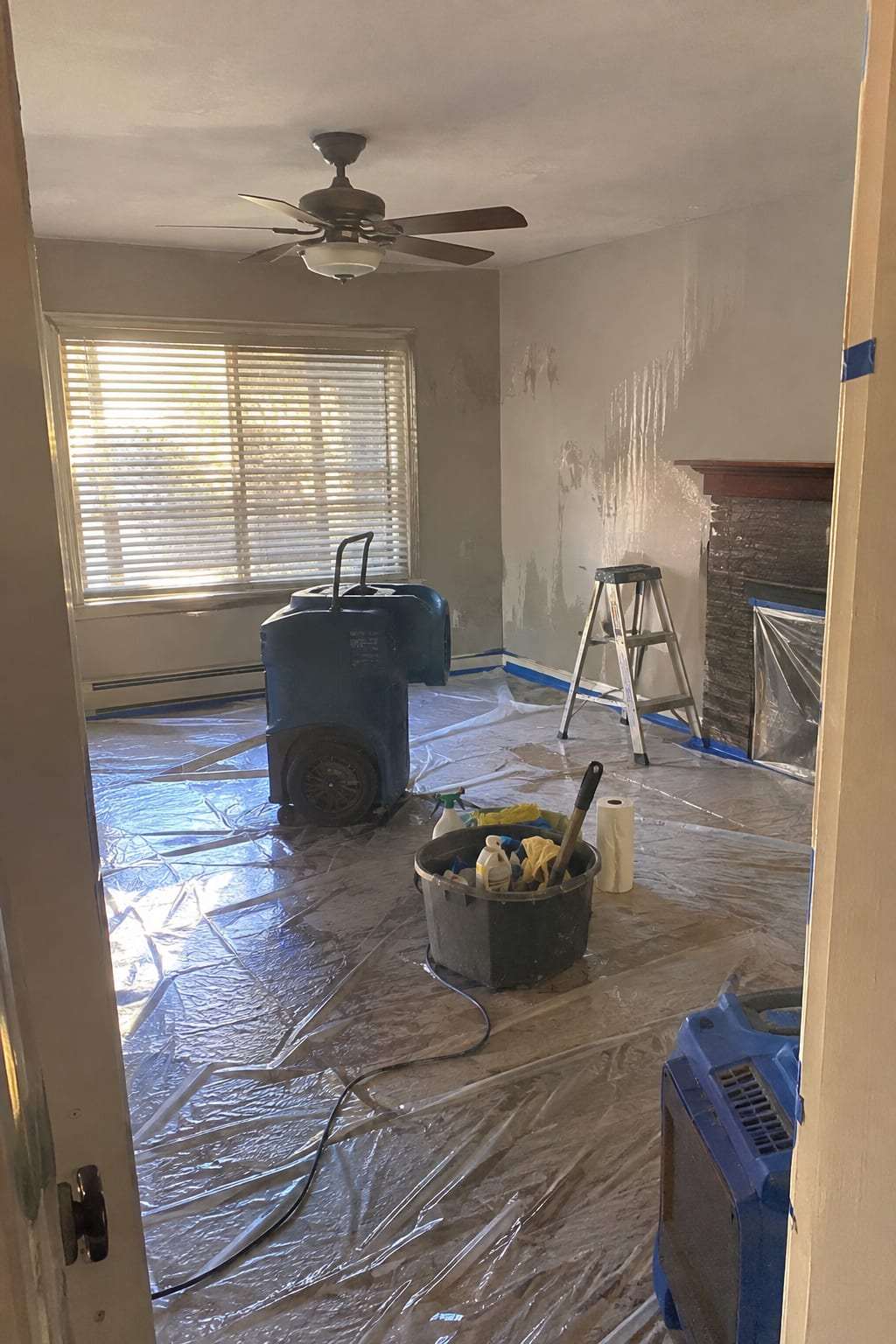
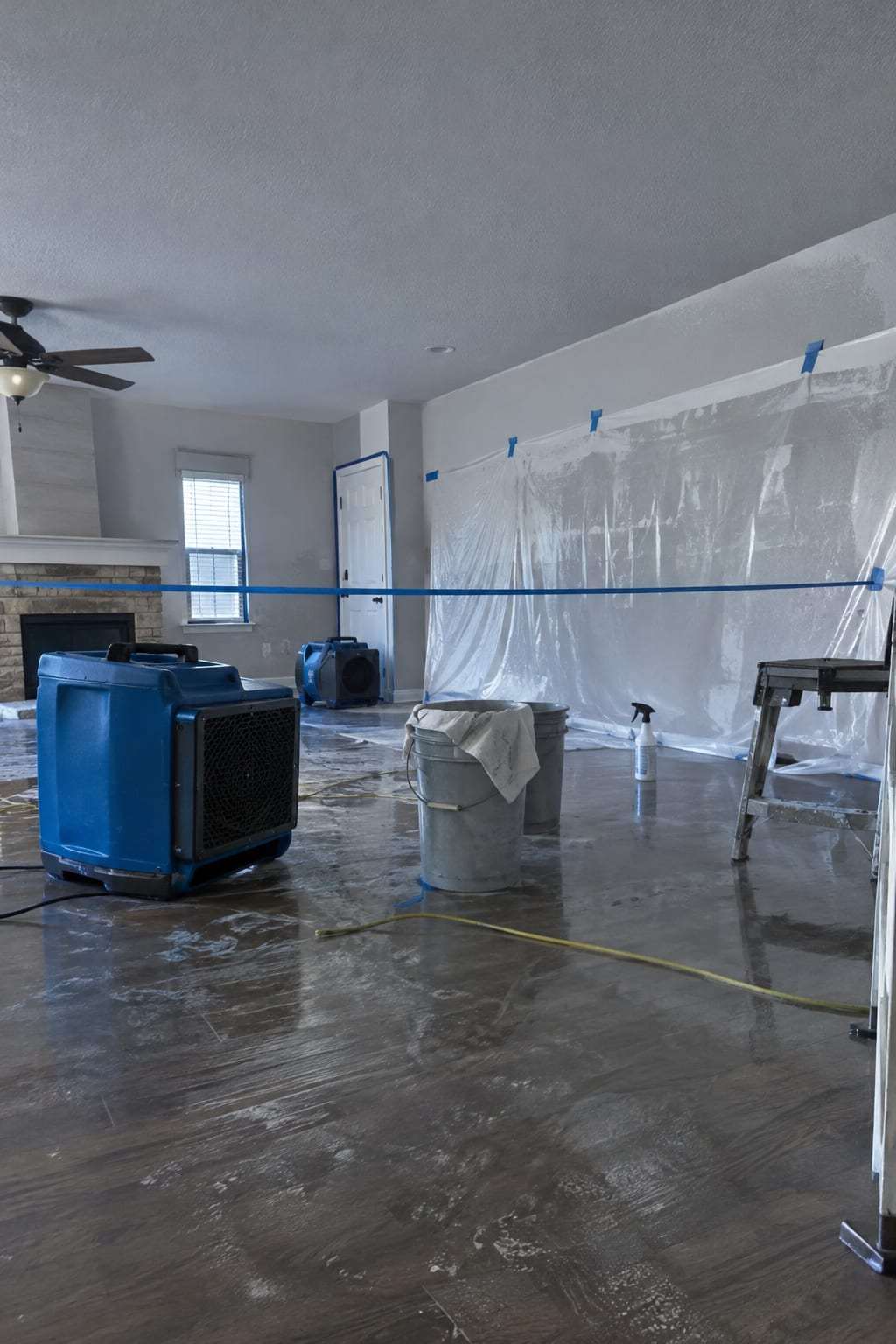
Walls get dry passes first. Some materials come out.
Why this comes up in Colorado
Hikers, campers and hunters keep bear spray in garages, mudrooms and cars, where summer heat or a dropped can sets it off. Tear gas is rarer and worse. When police use it during a barricade, the home, and sometimes the unit next door, can stay unlivable until someone removes the residue.
Berkeley and the blocks around it mix 1920s bungalows, new infill and rentals, and most have a garage where the outdoor gear lives.
- This guide covers Berkeley, Regis, Sunnyside, West Highland and the wider metro area.
- Some homeowners policies have paid for cleanup after police used tear gas. Coverage varies, so call your insurer early.
- Store bear spray somewhere cool and secured. A hot car is the worst place for it.
- Anyone with a breathing condition should talk to a doctor before going back inside.
ZIP codes served: 80212 (Denver), 80211 (Denver).
Also nearby: 80202, 80214, 80204, 80221, 80033, 80003, 80205, 80030, 80216, 80203, 80002, 80218, 80215.
Guides, checklists and service area
One question per page: furnaces after tear gas, car vents after bear spray, renters and landlords, and what to ask a provider.
Guides18
- Why CS tear gas powder keeps stinging long after the cloud clears
- Capsaicin oil versus CS powder: why the cleanup is not the same
- The first furnace run after tear gas, and why it can undo a week of airing out
Frequently asked questions
Expect a provider to ask what was released, where, when, and whether the HVAC ran afterward. Have your insurance claim number ready for a tear gas incident, and ask for a written scope and quote before anyone starts.
Is tear gas cleanup covered by homeowners insurance?
Sometimes. Some insurers have paid for cleanup after police used tear gas in a home, and others have disputed it. Report the loss quickly, document everything and ask how your policy treats it.
How long does tear gas residue last indoors?
CS powder doesn't reliably break down on its own in a closed house. It can keep irritating people for weeks or longer, until someone removes it from the surfaces and fabric it landed on.
Can bear spray be cleaned out of a car?
Usually. Hard surfaces and vents get cleaned, the cabin air filter gets replaced and the upholstery gets treated. Fabric that soaked up a heavy dose may need replacing.
Should I open the windows and wait it out?
Fresh air clears what's floating in the room. Residue on surfaces and fabric stays put until someone cleans it, and waiting usually means weeks of stinging eyes.
Can my clothes and bedding be saved?
Most washable items come back after a separate wash, sometimes two. Mattresses, upholstered furniture and anything absorbent that took a heavy dose may not.
Is it safe to stay in the house during cleanup?
Stay somewhere else until the main cleanup is done, especially children, older adults and anyone with asthma or another breathing condition.
Can I clean tear gas residue myself?
A light, local spot on hard surfaces is manageable with gloves, eye protection, a HEPA vacuum and a degreasing detergent. A tear-gassed house, residue in the ducts or anyone at home with a breathing condition calls for professional help. Ask your insurer before you start, since some want to see the damage first.
Describe the exposure
This form is not connected. This website is a draft preview: no business has been confirmed to receive requests, so the fields below are switched off and nothing can be sent. In an emergency, call 911.
Residue in your home or car right now?
Get medical help first if anyone is struggling to breathe. Then ventilate, keep the HVAC off, photograph every room, call your insurer and check out any cleanup provider before you hire them.